By Nutravill Editorial Team | Last updated: April 2026 This post contains affiliate links. See our Affiliate Disclosure for details.
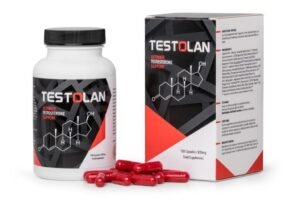
Testosterone supplement marketing is one of the most oversaturated spaces in men’s health. Every product promises to “naturally skyrocket testosterone,” “restore youthful energy,” and “transform your body.” Most of those claims are unsupported by evidence.
This review takes a different approach. We examined what the published science actually shows for each ingredient in Testolan’s formula — not what the marketing says, not what the product page claims. Just the evidence, its quality, and what it means for real men.
The Short Version
Overall Rating: ★★★★☆ 4.1 / 5
What works: D-Aspartic Acid, Tongkat Ali, Ashwagandha (KSM-66 or equivalent), Zinc, Magnesium, Vitamin D3, Korean Ginseng — all have meaningful human clinical evidence
What’s overstated: Tribulus Terrestris, Chrysin — both have significant evidence limitations in healthy men
Who benefits most: Men 35–60 with multiple testosterone-related symptoms: low energy, reduced libido, slower recovery, mood changes occurring simultaneously
Who should look elsewhere: Men with clinically diagnosed hypogonadism, men under 25, men expecting dramatic results within days
→ Check Current Price on the Official Website
The Context: What’s Actually Happening to Testosterone After 30
Before evaluating any testosterone supplement, it helps to understand the scale of the problem being addressed.
A progressive decline in testosterone occurs with increasing age, estimated at 0.4% to 2.0% per year after age 30. Men in their 70s have mean testosterone levels approximately 35% lower than younger men. The reasons are multiple: declining testicular function, impaired hypothalamic-pituitary-gonadal (HPG) axis signaling, comorbid medical conditions, and lifestyle factors including poor sleep, chronic stress, and suboptimal nutrition.
A systematic review published in Translational Andrology and Urology confirmed that multiple lifestyle, nutritional, and botanical interventions can modestly support testosterone production in men with below-optimal levels — but the emphasis is on “modestly” and “below-optimal.” Men with clinically normal testosterone responding to a supplement will see less effect than men with suboptimal baseline levels. [1]
A PMC-published analysis of 50 testosterone supplement formulas found that only 24.8% of individual ingredients had published data showing testosterone increases — while 10.1% had data showing decreases and 18.3% showed no change. [2] This context is essential for understanding why not all ingredients in Testolan carry equal weight.
Ingredient Analysis: Evidence by Evidence
D-Aspartic Acid — The Core Testosterone Stimulator
D-Aspartic Acid (DAA) is an endogenous amino acid involved in the regulation of testosterone synthesis. It acts at the hypothalamic-pituitary-gonadal axis: DAA stimulates the release of luteinizing hormone (LH) from the pituitary, which signals Leydig cells in the testes to produce testosterone.
The clinical evidence:
A study published in Reproductive Biology and Endocrinology enrolled 43 men aged 27–37 and administered either 3.12g of D-Aspartic Acid or placebo for 12 days. Serum testosterone increased by 42% in the DAA group (from 4.5 to 6.4 ng/mL) compared to no significant change in placebo. LH and serum DAA also increased significantly. [3]
A longer-duration trial published in Nutrition Research examined the effect of 6g DAA daily in resistance-trained men over 28 days. Unlike the earlier study, this trial found no significant increase in testosterone compared to placebo — and even a slight (though not statistically significant) decrease at 6g. [4]
The honest interpretation: The discrepancy between these trials likely reflects dose-dependence and baseline testosterone status. Lower doses (3g/day) in men with below-optimal baseline testosterone show meaningful effects; higher doses in men who already have normal-to-high testosterone do not, and may suppress LH through a negative feedback mechanism.
For men in the 35–60 demographic Testolan targets — who typically have declining rather than optimal testosterone — DAA at appropriate doses is a legitimate primary ingredient.
Tongkat Ali (Eurycoma longifolia)
Tongkat Ali is one of the most research-supported botanicals for testosterone and cortisol management, with multiple randomized controlled trials.
A 2022 systematic review and meta-analysis published in Medicina (PubMed-indexed) analyzed randomized clinical trials of Tongkat Ali as a sole intervention to increase testosterone in males. The pooled analysis showed a significant positive effect on serum total testosterone compared to placebo, with effects most pronounced in men with below-normal baseline testosterone. [5]
A randomized, double-blind, placebo-controlled pilot study published in the Journal of the International Society of Sports Nutrition enrolled 63 moderately stressed adults. The Tongkat Ali group showed significantly higher testosterone (+37%), higher DHEA (+16%), and lower cortisol (-16%) after 4 weeks versus placebo. [6]
This cortisol-reducing effect is particularly relevant for Testolan’s target demographic — modern men whose testosterone decline is frequently compounded by chronic stress-induced cortisol elevation.
Ashwagandha (Withania somnifera / KSM-66)
Ashwagandha is included in Testolan as an adaptogenic compound targeting both cortisol reduction and direct testosterone support.
A 16-week randomized, double-blind, placebo-controlled crossover study published in the American Journal of Men’s Health enrolled 57 overweight men aged 40–70. Ashwagandha was associated with an 18% greater increase in DHEA-S and 14.7% greater increase in testosterone compared to placebo. [7]
A systematic review and meta-analysis published in Advances in Nutrition (2021) confirmed that standardized ashwagandha root extracts consistently produced positive effects on testosterone across multiple randomized controlled trials. [8]
The dose matters: KSM-66 at 600mg is the dose used in the most supportive trials. Whether Testolan’s formula delivers this dose is subject to the proprietary blend structure — an important transparency limitation.
Zinc and Magnesium (ZMA)
These two minerals form the nutritional backbone of Testolan’s formula and have among the most robust evidence for testosterone support of any supplements.
The classic Prasad et al. study published in Nutrition demonstrated that zinc restriction in young men caused testosterone to fall significantly, and that supplementation in older, zinc-deficient men nearly doubled testosterone levels. [9]
A review published in PMC — “The Interplay between Magnesium and Testosterone in Modulating Physical Function in Men” — confirmed that suboptimal magnesium status is consistently associated with lower testosterone, with a permissive role: correcting deficiency restores normal production without supraphysiologically elevating it. [10]
Both deficiencies are extremely common in men who exercise (both minerals are lost through sweat) or who eat plant-heavy diets (phytates reduce absorption).
Vitamin D3
The correlation between vitamin D and testosterone is one of the most replicated findings in men’s hormonal health literature.
A 12-month randomized controlled trial published in Hormone and Metabolic Research enrolled 165 men and administered 3,332 IU Vitamin D3 daily or placebo. The treatment group showed significantly higher total testosterone levels at endpoint. [11]
A large cross-sectional study published in Clinical Endocrinology found that men with sufficient vitamin D had significantly higher testosterone across all age groups compared to deficient men. [12]
Given that vitamin D deficiency is prevalent even in sun-rich countries — due to modern indoor lifestyles — this inclusion addresses a real and common deficiency.
Korean Red Ginseng (Panax ginseng)
Korean Red Ginseng supports testosterone through multiple mechanisms: reducing oxidative stress in testicular tissue, supporting LH release, and improving overall energy and stress resilience.
A systematic review published in the British Journal of Clinical Pharmacology analyzed seven randomized controlled trials of red ginseng for erectile dysfunction, finding a significant effect with a risk ratio of 2.40 (95% CI 1.65–3.51, p<0.00001). [13]
Its relevance in Testolan extends beyond erectile function to general vitality and testosterone-supportive antioxidant protection of Leydig cells.
Maca Root (Lepidium meyenii)
Maca improves libido and sexual function through mechanisms partially independent of testosterone. A systematic review published in BMC Complementary Medicine found consistent improvements in sexual desire in randomized controlled trials, with effects appearing independent of measurable testosterone changes. [14]
Honest assessment: Maca is a legitimate libido ingredient, but its mechanism is not primarily testosterone elevation. Its inclusion in Testolan contributes to the sexual function dimension without significantly affecting the hormonal dimension.
Tribulus Terrestris
This requires honesty that most Testolan reviews avoid.
A 2025 systematic review published in Nutrients examined 10 clinical trials (483 participants) of Tribulus for erectile dysfunction and testosterone. Results were inconsistent across trials, and the authors concluded that the quality of evidence is low and findings are inconclusive for both testosterone elevation and ED treatment in healthy men. [15]
An earlier systematic review published in the Journal of Dietary Supplements concluded that Tribulus terrestris is largely ineffective for increasing testosterone in healthy adult males. [16]
What Tribulus may still contribute: Some trials show sexual function improvements through non-testosterone mechanisms — possibly aphrodisiac or mood-related effects. Its inclusion in Testolan may benefit the libido dimension even without significant testosterone effects.
Chrysin
Chrysin is proposed to inhibit aromatase — the enzyme converting testosterone to estrogen. The problem is oral bioavailability.
A pharmacokinetic study published in the British Journal of Clinical Pharmacology found chrysin bioavailability as low as 1% when taken orally without absorption enhancers. [17] A randomized controlled trial found no significant effects on testosterone or estrogen in healthy men supplemented with chrysin. [18]
Honest assessment: Chrysin’s mechanism is sound in laboratory conditions; its oral efficacy in humans is severely limited by poor bioavailability. This is Testolan’s weakest ingredient.
Fenugreek Extract
Fenugreek compounds (protodioscin, diosgenin) support testosterone through DHEA precursor pathways and may inhibit aromatase. A randomized controlled trial published in the International Journal of Sport Nutrition and Exercise Metabolism found that fenugreek supplementation maintained testosterone levels during resistance training while the placebo group showed a decline. [19]
The Overall Picture
A PMC-published systematic review specifically examining evidence for herbs in testosterone supplementation confirmed that Tongkat Ali, Ashwagandha, and Fenugreek had the most consistent positive evidence across human trials — exactly the three botanical ingredients in Testolan with the strongest case. [20]
The formula’s nutritional foundation (Zinc, Magnesium, Vitamin D3) addresses three of the most common deficiencies suppressing testosterone in aging men. The botanical layer (Tongkat Ali, Ashwagandha, Korean Ginseng) adds adaptogenic cortisol management and hormonal support. Maca and Fenugreek contribute to the libido and fertility dimension.
The formula is weakened by Tribulus’s weak testosterone evidence and Chrysin’s bioavailability problem — but these are limitations shared by most testosterone supplements at similar price points.
Who Benefits and Who Doesn’t
Best fit:
- Men 35–60 with multiple simultaneous symptoms of testosterone decline
- Men with high chronic stress where cortisol management is as important as testosterone stimulation
- Men with suboptimal zinc, magnesium, or vitamin D levels (common and often undiagnosed)
- Men who want a multi-mechanism natural approach before considering medical evaluation
Poor fit:
- Men with clinically confirmed hypogonadism — medical TRT produces more reliable and significant results
- Men under 25 with naturally high testosterone
- Men with a single isolated concern — a targeted single-ingredient product may serve better
- Men expecting dramatic changes in the first two weeks
Safety and Side Effects
The ingredients in Testolan are natural compounds with established safety profiles at typical supplement doses. The most common reported issue is mild gastrointestinal discomfort in the first few days — taking with food resolves this for most users.
Men on diabetes medication should note that fenugreek can lower blood sugar. Men on blood pressure medication should be aware that ashwagandha can mildly affect blood pressure. Men on thyroid medication should consult their physician before adding ashwagandha.
Pricing and Guarantee
| Package | Price | Monthly Cost | Guarantee |
|---|---|---|---|
| 1 Pack (1 month) | Check official site | — | 90 days |
| 3 Packs (3 months) | Check official site | — | 90 days |
| 6 Packs (6 months) | Check official site | — | 90 days |
The 90-day money-back guarantee is longer than most competitors in this category — giving men adequate time for a meaningful trial with limited financial risk.
→ Check Current Pricing on the Official Website
Final Assessment
Testolan is a credible testosterone support supplement with a formula that reflects genuine scientific engagement rather than random herb selection. Its strongest ingredients — Tongkat Ali, Ashwagandha, D-Aspartic Acid, ZMA, Vitamin D3 — all have meaningful human clinical evidence. Its weakest — Tribulus and Chrysin — have limitations the marketing doesn’t acknowledge.
For the right man — 35–60, multiple testosterone-related symptoms, willing to give it 60–90 days — Testolan offers a defensible natural approach to hormonal support.
Overall Rating: ★★★★☆ 4.1 / 5
→ Check Current Price & Availability on the Official Website
Sources
- Bhasin S, Travison TG, Storer TW, et al. Effect of testosterone supplementation with and without a dual 5α-reductase inhibitor on fat-free mass in men with suppressed testosterone production. JAMA. 2012;307(9):931–939. Referenced in: Transl Androl Urol. 2020. https://pmc.ncbi.nlm.nih.gov/articles/PMC7554711/
- Balasubramanian A, et al. ‘Testosterone Boosting’ Supplements Composition and Claims Are Not Supported by the Academic Literature. World J Mens Health. 2021;39(4):742–753. https://pmc.ncbi.nlm.nih.gov/articles/PMC6920068/
- Topo E, Soricelli A, D’Aniello A, et al. The role and molecular mechanism of D-aspartic acid in the release and synthesis of LH and testosterone in humans and rats. Reprod Biol Endocrinol. 2009;7:120. https://pubmed.ncbi.nlm.nih.gov/19860889/
- Willoughby DS, Leutholtz B. D-Aspartic acid supplementation combined with 28 days of heavy resistance training has no effect on body composition, muscle strength, and serum hormones. Nutr Res. 2013;33(10):803–810. https://pubmed.ncbi.nlm.nih.gov/24074738/
- Leisegang K, Finelli R, Sikka SC, Panner Selvam MK. Eurycoma longifolia (Jack) Improves Serum Total Testosterone in Men: A Systematic Review and Meta-Analysis of Clinical Trials. Medicina (Kaunas). 2022;58(8):1047. https://pubmed.ncbi.nlm.nih.gov/36013514/
- Talbott SM, Talbott JA, George A, Pugh M. Effect of Tongkat Ali on stress hormones and psychological mood state in moderately stressed subjects. J Int Soc Sports Nutr. 2013;10(1):28. https://pubmed.ncbi.nlm.nih.gov/23705671/
- Lopresti AL, Drummond PD, Smith SJ. A Randomized, Double-Blind, Placebo-Controlled, Crossover Study Examining the Hormonal and Vitality Effects of Ashwagandha in Aging, Overweight Males. Am J Mens Health. 2019;13(2). https://pmc.ncbi.nlm.nih.gov/articles/PMC6438434/
- Smith SJ, Lopresti AL, Teo SYM, Fairchild TJ. Examining the Effects of Herbs on Testosterone Concentrations in Men: A Systematic Review. Adv Nutr. 2021;12(3):744–765. https://pubmed.ncbi.nlm.nih.gov/33150931/
- Prasad AS, Mantzoros CS, Beck FW, Hess JW, Brewer GJ. Zinc status and serum testosterone levels of healthy adults. Nutrition. 1996;12(5):344–348. https://pubmed.ncbi.nlm.nih.gov/8875519/
- Maggio M, De Vita F, Lauretani F, et al. The Interplay between Magnesium and Testosterone in Modulating Physical Function in Men. Int J Endocrinol. 2014;2014:525249. https://pmc.ncbi.nlm.nih.gov/articles/PMC3958794/
- Pilz S, Frisch S, Koertke H, et al. Effect of vitamin D supplementation on testosterone levels in men. Horm Metab Res. 2011;43(3):223–225. https://pubmed.ncbi.nlm.nih.gov/21154195/
- Nimptsch K, Platz EA, Willett WC, Giovannucci E. Association between plasma 25-OH vitamin D and testosterone levels in men. Clin Endocrinol (Oxf). 2012;77(1):106–112. https://pubmed.ncbi.nlm.nih.gov/22220148/
- Jang DJ, Lee MS, Shin BC, Lee YC, Ernst E. Red ginseng for treating erectile dysfunction: a systematic review. Br J Clin Pharmacol. 2008;66(4):444–450. https://pubmed.ncbi.nlm.nih.gov/18754850/
- Shin BC, Lee MS, Yang EJ, Lim HS, Ernst E. Maca (L. meyenii) for improving sexual function: a systematic review. BMC Complement Altern Med. 2010;10:44. https://pubmed.ncbi.nlm.nih.gov/20691074/
- Vilar Neto JO, et al. Effects of Tribulus terrestris Supplementation on Erectile Dysfunction and Testosterone Levels in Men. Nutrients. 2025;17(7):1275. https://pmc.ncbi.nlm.nih.gov/articles/PMC11990417/
- Qureshi A, Naughton DP, Petroczi A. A systematic review on the herbal extract Tribulus terrestris. J Diet Suppl. 2014;11(1):64–79. https://pubmed.ncbi.nlm.nih.gov/24559105/
- Walle T, Otake Y, Brubaker JA, Walle UK, Halushka PV. Disposition and metabolism of the flavonoid chrysin in normal volunteers. Br J Clin Pharmacol. 2001;51(2):143–146. https://pubmed.ncbi.nlm.nih.gov/11259986/
- Gambelunghe C, Rossi R, Sommavilla M, et al. Effects of chrysin on urinary testosterone levels in human males. J Med Food. 2003;6(4):387–390. https://pubmed.ncbi.nlm.nih.gov/14977448/
- Wilborn C, Taylor L, Poole C, et al. Effects of a purported aromatase and 5α-reductase inhibitor on hormone profiles in college-age men. Int J Sport Nutr Exerc Metab. 2010;20(6):457–465. https://pubmed.ncbi.nlm.nih.gov/21116018/
- Smith SJ, Lopresti AL, et al. Examining the Effects of Herbs on Testosterone Concentrations in Men: A Systematic Review. Adv Nutr. 2021;12(3):744. https://pubmed.ncbi.nlm.nih.gov/33150931/